
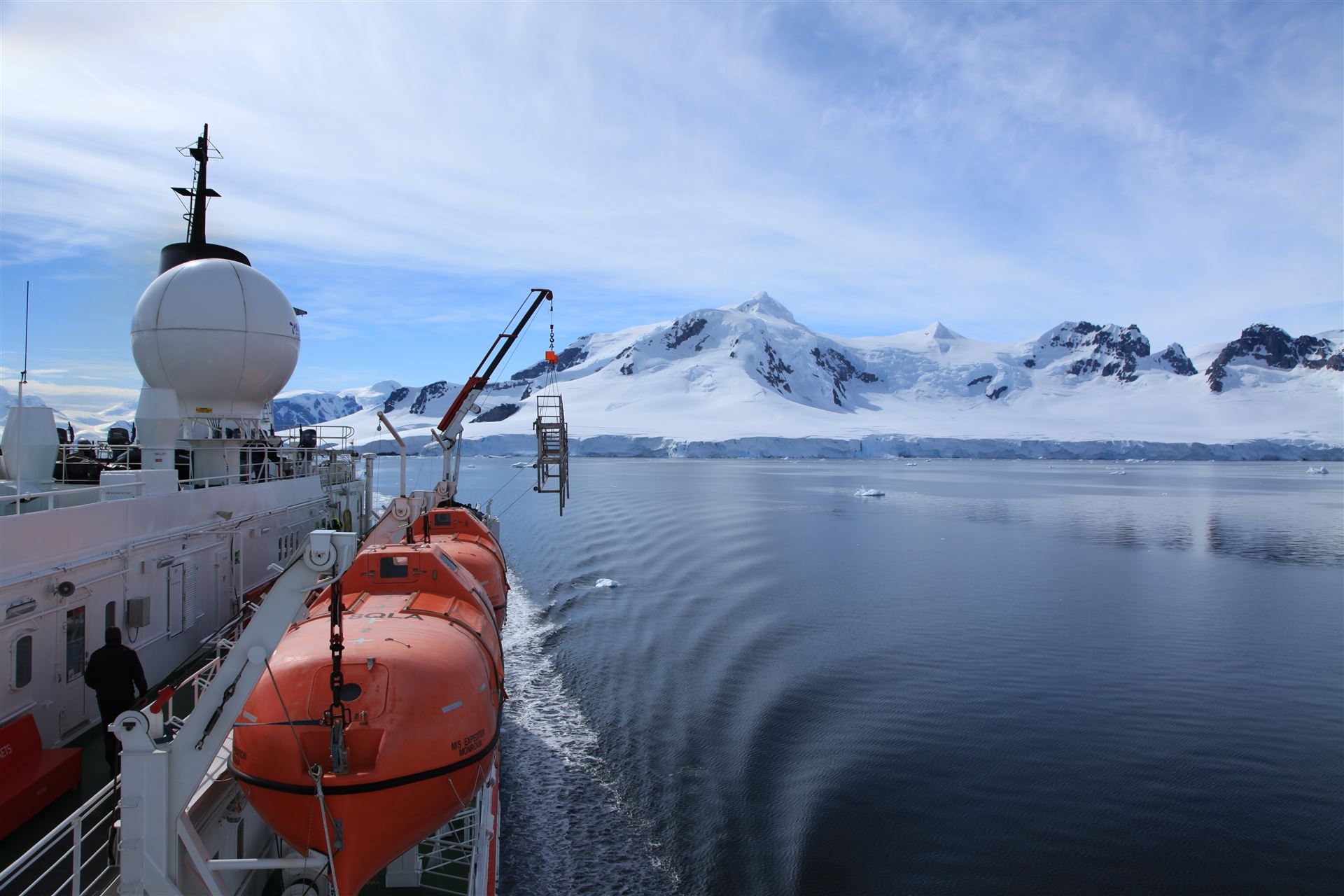
Understanding Antarctic Weather Before You Pack
The word "Antarctica" conjures images of brutal, unrelenting cold - but coastal landing sites during the austral summer (November-March) are milder than most people expect. What surprised me most on my first trip wasn't the temperature, it was how differently it felt depending on activity: hiking to a penguin colony kept me warm in a mid layer alone, while standing still for photos at the same spot ten minutes later had me reaching for the parka. The numbers below reflect coastal and peninsula cruise routes only - interior Antarctica is a different, far colder story.
| Month | Daytime Temp | Night Temp | Sea Conditions | Wildlife Highlight |
|---|---|---|---|---|
| November | 20-32°F (-7 to 0°C) | 14-25°F | Variable | Fresh snow, ice landscapes |
| December | 28-40°F (-2 to +4°C) | 20-32°F | Calmer | Penguin nesting peak |
| January | 30-42°F (-1 to +6°C) | 23-34°F | Calmest | Penguin chicks hatching |
| February | 28-38°F (-2 to +3°C) | 20-30°F | Good | Whale activity peaks |
| March | 20-32°F (-7 to 0°C) | 14-24°F | Rougher | Sea ice returning |
Coastal and peninsula cruise routes only. Interior Antarctica temperatures are significantly colder. Click a column header to sort.
Antarctica Cruise Luggage & Weight Limits
If your itinerary sails directly from a South American port, standard airline baggage rules apply and packing is fairly relaxed. But most itineraries fly you from Punta Arenas to King George Island on a charter aircraft first - and that charter has a strict weight limit that has nothing to do with your international airline allowance. I learned this the hard way the night before my second expedition, repacking on a hostel bed at 11pm after weighing my duffel on a borrowed luggage scale and finding it four kilograms over.
- Standard expedition cruise (sailing): Check with cruise line - standard airline limits apply
- Fly-cruise via Punta Arenas charter: Typically 20 kg total (15 kg checked + 5 kg carry-on). Some operators allow 25 kg (20 + 5).
- Excess baggage: Cannot be checked on safety grounds. Left in storage in Punta Arenas.
- Luggage type: Soft-sided bags strongly preferred over hard-shell cases for small cabin stowage.
- Always confirm: Weight limits vary by operator and charter aircraft.
The Antarctica Cruise Layering System
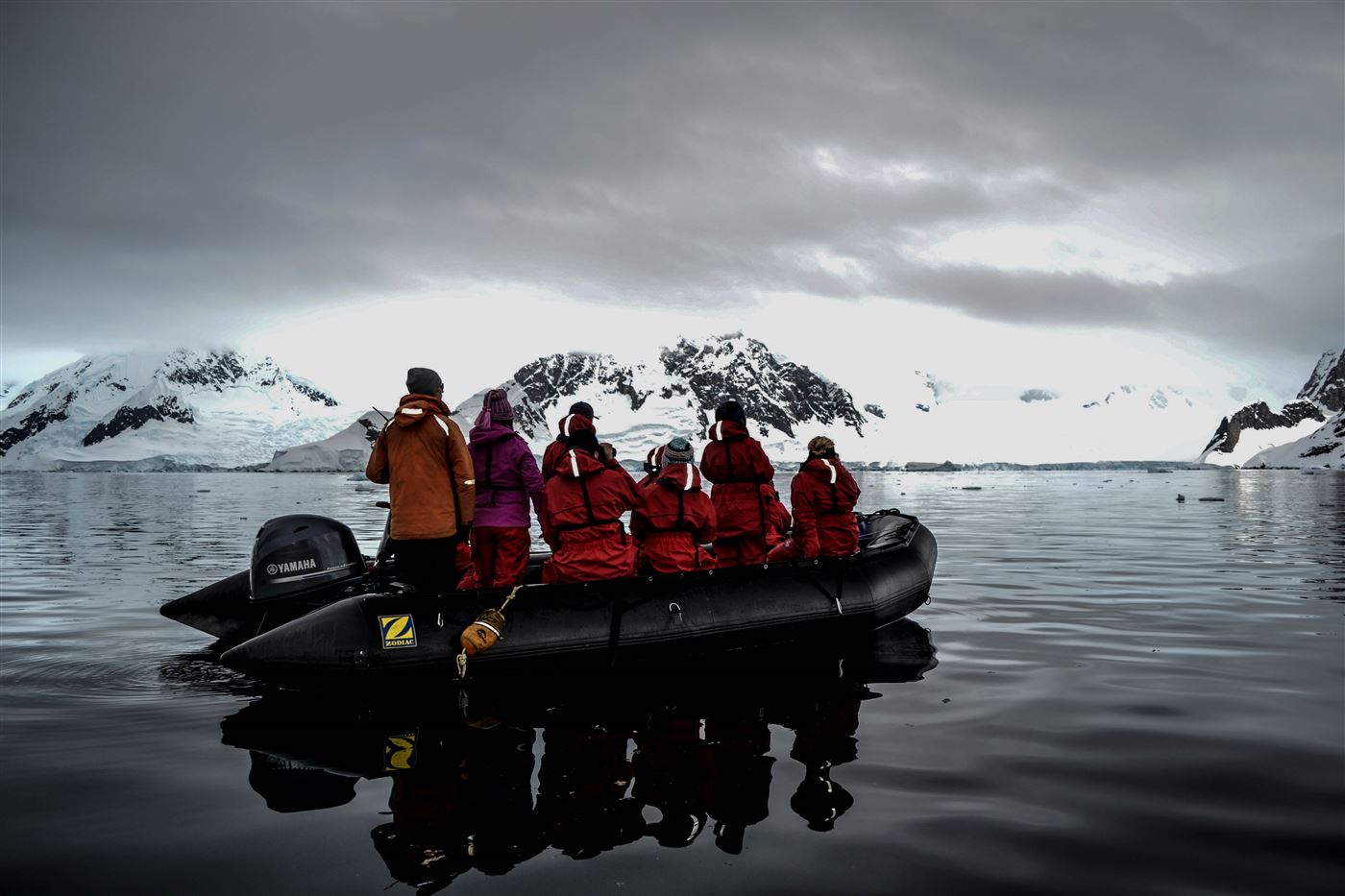
Every experienced expedition traveler will tell you the same thing: the antarctica cruise layering system matters more than any single piece of gear. Three layers, each with a specific job, let you adjust to conditions that can shift from calm and sunny to windblown sleet within the same landing.
Base Layer
The base layer sits against your skin and its only job is to move moisture away from your body - which is exactly what cotton fails to do. On my first trip I wore a cotton t-shirt under my rented parka for a single landing and spent the rest of the afternoon cold and clammy while it refused to dry. Merino wool or synthetic fabrics like Patagonia's Capilene line are built for this job, and a heavier option like the Smartwool Classic Thermal adds real comfort in the coldest conditions.
Mid Layer
The mid layer is your insulation - fleece or down - and it's the layer you'll adjust most often based on activity level. Patagonia's own base-mid-shell framework treats this layer as the adjustable middle: add it for a still photography stop, shed it for an uphill hike to a viewpoint, and you'll rarely feel either too hot or too cold.
Outer Layer (Waterproof Shell)
This is where "water-resistant" and "waterproof" stop being interchangeable marketing terms and start being a real practical difference. Water-resistant fabric sheds light drizzle for a short time before it soaks through; a genuinely waterproof, windproof hard shell - the kind Patagonia builds its dedicated shell jackets around - keeps you dry through sustained Zodiac spray and wet snow. Pair the jacket with waterproof outer pants; a shell jacket alone still leaves your legs exposed.
Antarctica Cruise Clothing Essentials
Pack for three distinct contexts on this trip: shore excursions in full cold-weather gear, relaxed time onboard the ship, and the warmer gateway cities you'll pass through before and after the crossing.
What to Wear on Excursions
My own system for hands is two pairs of gloves nested together: a thin touchscreen-compatible liner for fiddling with camera settings, and a waterproof over-mitt I can pull on the moment my hands get cold. It sounds fussy until the wind picks up on a Zodiac ride and you're grateful for the extra pair.
- Full layering system (base + mid + outer)
- Waterproof outer pants
- Thin glove liners (touchscreen compatible)
- Waterproof over-mitts
- Warm hat or balaclava
- Neck gaiter
- Wool or synthetic socks x3-4 pairs (Smartwool or Darn Tough)
- Rubber boots (usually provided - confirm with operator)
- Polarized sunglasses
- High-SPF sunscreen applied before going ashore
What to Wear Onboard
Most expedition ships keep a genuinely casual dress code, Hurtigruten's included, so you don't need to pack more than one nicer outfit. I settled on a single smart-casual set for the Captain's Dinner and wore the same comfortable trousers on rotation the rest of the trip. If a polar plunge is offered, it becomes the story everyone tells at dinner for the rest of the voyage - pack a swimsuit even if you're unsure you'll jump.
- Comfortable casual trousers x2
- Casual tops x3-4
- One smart-casual outfit for Captain's Dinner
- Comfortable slip-on shoes or trainers
- Swimsuit (Jacuzzi or polar plunge)
- Light fleece for air-conditioned lounges
- Lightweight pyjamas
What to Wear in Gateway Cities
Buenos Aires, Ushuaia, and Punta Arenas can all run warm before you ever see ice. I pack a couple of packing cubes specifically to separate the light city clothing from the bulky expedition gear, so I'm not digging through thermal layers to find a t-shirt in a hot hotel room.
What the Cruise Line Provides
What your cruise line supplies versus what you need to bring yourself varies significantly by operator, so always confirm the specifics before you buy anything expensive. As a general rule, expedition parkas and rubber boots are usually provided on loan, and some operators supply wetsuits for kayaking add-ons. Seasickness medication provision varies by operator - bring your own regardless.
| Item | Usually Provided | Bring Your Own | Notes |
|---|---|---|---|
| Expedition parka | YES | - | Confirm with operator |
| Rubber boots | YES | - | Loan basis |
| Rubber boot insoles | NO | YES | For comfort |
| Trekking poles | SOMETIMES | YES if not | Depends on operator |
| Wetsuit (kayaking) | SOMETIMES | - | Kayak add-on only |
| Seasickness medication | varies by operator | YES | Always bring own |
| Binoculars | NO | YES | Essential for wildlife |
| Laundry service | PAID | - | Bring 3-4 detergent pods |
Click a column header to sort.
Poseidon Expeditions: Gear Provision and Pre-Landing Briefings
M/V Sea Spirit - expedition parka provided, expert team briefings before every landing
Every guest receives an expedition parka for the duration of the voyage. Rubber boots are available on loan. The expedition team conducts a full gear briefing before the first landing - covering layering, boot fitting, and what to carry ashore.
Naturalists, biologists, geologists and historians brief each landing in detail. On a 114-passenger ship, guides can give individual gear advice in a way not logistically possible on 400-passenger vessels.
Up to 3 landings per day, each approximately 2.5 hours. Getting gear right matters more when you spend significantly more time outside. The IAATO 100-passenger shore limit means almost the entire group lands simultaneously - no waiting.
Laundry Onboard
Nearly every expedition ship offers paid laundry service, which means you never need to pack ten spare base layers for a two-week voyage. A handful of detergent pods and a mid-trip wash cycle solve the problem more efficiently than extra luggage weight ever could.
Footwear Guide
Rubber boots handle every wet landing and Zodiac transfer, and most operators provide them on loan for the voyage - confirm sizing availability with your operator ahead of time if you have unusually large or small feet. Onboard, comfortable slip-on shoes or trainers are all you need. Whatever boots you end up in, the socks underneath matter just as much: Smartwool and Darn Tough both make wool socks built specifically for cold, wet footwear.
Dealing with Seasickness: Drake Passage Medications
The Drake Passage earns its reputation. On my roughest crossing, the ship's photographer canceled the afternoon slideshow because half the lecture hall was empty - everyone who hadn't medicated in advance was in their cabin. I now take my seasickness medication the night before we leave the shelter of the Beagle Channel, not the morning of.
- Bonine (meclizine) - less drowsy; preferred by many experienced cruisers
- Dramamine (dimenhydrinate) - effective but causes significant drowsiness
- Dramamine Less Drowsy - contains meclizine (same as Bonine)
- Scopolamine patch - prescription; can cause confusion, urinary retention
- Ginger chews - non-drowsy; helpful for mild nausea
- Acupressure wristbands - non-medicated; effectiveness varies individually
Other Essential Medications & Health Items
There is no pharmacy once you leave port, and the nearest hospital is days away for most of the voyage. Pack a small, deliberate medical kit rather than relying on the ship's limited infirmary supplies.
- Prescription medications: full supply + 3-5 days extra, carry in hand luggage
- Pain relievers (ibuprofen, paracetamol)
- Anti-diarrhoeal medication
- Antihistamine
- Blister plasters
- Eye drops (ship air is very dry)
- Vaccination certificates if required
Toiletries & Sun Protection
I got a genuine sunburn on my second expedition on a completely overcast day - the ozone layer thins over Antarctica each spring, letting through more UV than the grey sky suggests, and the ice reflects what does get through right back at your face. SPF 50+ and polarized sunglasses aren't optional accessories here, they're basic gear.
- Sunscreen SPF 50+ (apply even on overcast days)
- SPF lip balm
- Polarized sunglasses (essential against ice glare)
- Rich moisturiser (ship air is very dry)
- Hand cream
- Personal toiletries
Entertainment & Comfort Items
The sea days crossing the Drake Passage, in both directions, are the perfect time for a loaded e-reader and a deck of cards - there's no internet connection to fall back on out there.
- E-reader or downloaded content (no internet on Drake)
- Card game or travel games
- Reusable water bottle
- MiO liquid water enhancer or electrolyte powder
- Insulated travel mug with lid
- Journal and pens
- Earplugs
Camera Gear, Electronics & Binoculars
Cold weather drains camera batteries far faster than normal use, and I found that out mid-photograph of a leopard seal when my only battery died with the animal still hauled out ten feet away. I now carry three spares minimum and keep whichever isn't in the camera tucked in an inner jacket pocket where body heat keeps it usable. GoPro specifically recommends its Enduro batteries plus this inner-pocket storage approach for cold-weather shooting.
- Camera body - mirrorless or DSLR preferred
- Telephoto lens (minimum 300mm equivalent for wildlife)
- Extra batteries x3 minimum (cold drains faster)
- GoPro: use Enduro batteries; store inside jacket when not shooting
- Memory cards x3-4 (transfer to laptop daily)
- Dry bag for camera on Zodiacs
- Microfibre lens cloths x3
- Power bank 20,000+ mAh
- Binoculars 8x42 or 10x42, waterproof
- Laptop for daily image backup
- All chargers and adapters VERIFY: socket type with your ship
Documents & Travel Essentials
- Passport (valid 6+ months beyond travel dates)
- Visa documentation if required
- Travel insurance with emergency evacuation cover
- Cruise booking confirmation (printed + digital)
- Flight tickets (printed)
- Medical forms if required by operator
- Emergency contact list (printed)
- Copies of all above stored separately
What NOT to Pack for Antarctica
I once packed a favorite down vest specifically because I loved the color, only to have it confiscated for cleaning delays after a biosecurity check flagged loose down leaking from a worn seam - a reminder that Antarctica's biosecurity rules exist for good reason and apply to your gear, not just souvenirs. Under IAATO guidelines, loose feathers are prohibited outright, and seeds are banned too - check every seam, pocket, and Velcro patch before you leave home.
- Cotton clothing (any layer) - loses insulation when wet
- Loose feathers - biosecurity prohibited
- Seeds - check all pockets, seams, Velcro
- Overly formal clothing beyond one outfit
- Hard-shell suitcases (impossible to stow in small cabins)
- Water-resistant outerwear (not waterproof - you will get wet)
- Anything exceeding fly-cruise baggage limit
- Pets or live animals - strictly prohibited
Final Antarctica Cruise Packing Checklist (2026)
Use the interactive checklist below to track your own antarctica cruise packing list as you pack - click any item to check it off. Nothing is saved between visits, so print or screenshot the page once you're done if you want to keep a record.
1. Layering System
- Base layer tops x2 (merino wool or synthetic)
- Base layer bottoms x2
- Mid layer fleece or down x2
- Waterproof, windproof outer jacket
- Waterproof outer pants
2. Excursion Clothing
- Thin glove liners (touchscreen compatible)
- Waterproof over-mitts
- Warm hat or balaclava
- Neck gaiter
- Wool or synthetic socks x4 pairs
3. Onboard Clothing
- Casual tops and trousers
- One smart-casual outfit
- Comfortable slip-on shoes
- Swimsuit
4. Gateway City Clothing
- Lightweight city clothing (packed separately)
- Packing cubes to separate city and expedition gear
5. Footwear
- Comfortable ship shoes
- Warm boot socks (Smartwool or Darn Tough)
6. Cruise Line Check
- Confirmed: parka provided by operator
- Confirmed: rubber boots provided by operator
- Confirmed: laundry service available
7. Medications
- Seasickness medication (Bonine or Dramamine)
- Prescriptions + 5 days extra supply
- Pain relief
- Anti-diarrhoeal medication
8. Toiletries
- SPF 50+ sunscreen
- SPF lip balm
- Polarized sunglasses
- Rich moisturiser
9. Camera & Electronics
- Camera body and telephoto lens
- Extra batteries x3
- GoPro Enduro batteries
- Dry bag for Zodiacs
- 20,000+ mAh power bank
- Binoculars 8x42 or 10x42
- Laptop for backups
- Chargers and adapters
10. Sundries
- Reusable water bottle
- Insulated travel mug
- MiO liquid water enhancer
- Tablet or e-reader with downloads
- Laundry pods x4
11. Documents
- Passport
- Travel insurance
- Cruise booking confirmation
- Flight tickets
- Document copies stored separately
12. Biosecurity Check
- Seams, pockets, and Velcro checked for seeds
- No loose feathers packed
Want to know how this antarctica cruise packing list was researched? See our methodology and sources.
Frequently Asked Questions
What should travelers pack for an Antarctic cruise?
Pack a three-layer clothing system (base, mid, outer), a camera and binoculars, seasickness medication, and essential travel documents. Most expedition cruise lines provide an expedition parka and rubber boots on loan, so confirm with your operator before buying your own. Key items to leave home: cotton clothing, loose feathers, seeds, hard-shell suitcases, and any water-resistant (not fully waterproof) outerwear.
What is the essential layering system for clothing in Antarctica?
The system has three parts: a moisture-wicking base layer of merino wool or synthetic fabric, an insulating mid layer of fleece or down, and a waterproof, windproof outer shell jacket and pants. Skip cotton at every layer - it loses insulating value when wet and dries slowly, which raises hypothermia risk in Antarctica's cold, wet excursion conditions.
Do expedition cruise lines provide jackets and boots?
Most expedition operators provide an expedition parka and rubber boots on a loan basis for the voyage. Some also offer wetsuits for kayaking add-ons. Seasickness medication availability varies by operator, so always pack your own regardless. Confirm exactly what your specific cruise line provides before purchasing your own gear.
What medications should be packed for an Antarctica cruise?
Prioritize seasickness medication for the Drake Passage - Bonine (meclizine) is a common choice, and Dramamine Less Drowsy contains the same active ingredient. Bring a full prescription supply plus 3-5 extra days in your hand luggage, along with pain relievers, anti-diarrhoeal medication, antihistamine, blister plasters, and eye drops for the ship's dry air.
What is the luggage weight limit for an Antarctica fly-cruise?
Fly-cruise itineraries via a Punta Arenas charter typically limit passengers to 20 kg total (15 kg checked plus 5 kg carry-on), though some operators allow 25 kg (20 plus 5). Excess baggage cannot be checked for safety reasons and is left in storage in Punta Arenas. Always verify the current limit with your specific operator before packing.
What items should not be packed for an Antarctica cruise?
Leave behind cotton clothing at any layer, loose feathers (prohibited under biosecurity rules), seeds hidden in seams or pockets or Velcro, hard-shell suitcases that are hard to stow in small cabins, formal clothing beyond one outfit, and water-resistant (rather than fully waterproof) outerwear. Nothing should exceed your fly-cruise baggage limit.
Can travelers use laundry services on an Antarctica expedition ship?
Most expedition ships offer laundry service for a fee. Packing 3-4 laundry pods and washing base layers every 3-4 days significantly reduces how much clothing you need to bring in the first place. Service is typically self-service or handled through the cabin steward, depending on the ship.
What to wear on a cruise ship to Antarctica?
Onboard dress is casual and comfortable, layered to handle swings between warm interior spaces and cold decks. Most expedition ships have no formal dress code, though one smart-casual outfit is useful for a Captain's Dinner. Pack a swimsuit if you plan to use the Jacuzzi or join a polar plunge.
Why is cotton clothing not recommended for Antarctica?
Cotton loses its insulating properties when wet and dries very slowly. In Antarctica's cold, wet excursion conditions - Zodiac spray, snow, rain - wet cotton creates a real hypothermia risk even during the relatively mild austral summer. Use merino wool or synthetic fabric at every layer, including socks.
What camera accessories are highly recommended for wildlife photography in Antarctica?
Bring at least three extra batteries since cold drains them faster, a dry bag for Zodiac transfers, a telephoto lens equivalent to 300mm or more, and waterproof 8x42 binoculars. GoPro users should carry Enduro batteries and store the camera inside a jacket when not shooting. Back up images every evening - there is no recovering lost files at sea.